Reruns
On Sunday, Israeli soldiers reached the top of a hill in southern Lebanon called Beaufort. There is a Crusader castle on it, built somewhere around 1139, and it is the kind of place that looks down over the Litani River with the air of something that has watched a lot of armies come and go.
You can tell a lot about a week by what it’s choosing to redo.
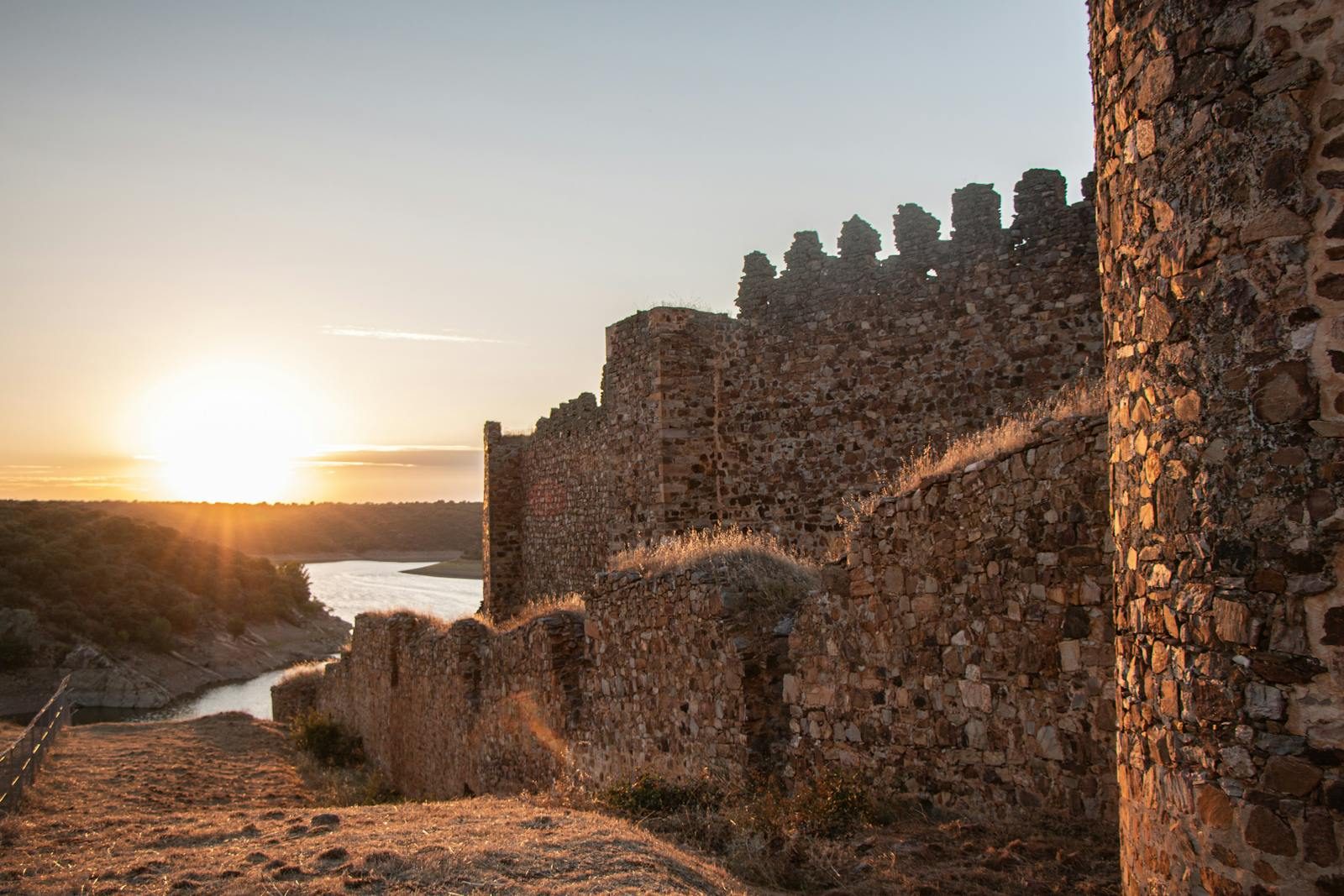
On Sunday, Israeli soldiers reached the top of a hill in southern Lebanon called Beaufort. There is a Crusader castle on it, built somewhere around 1139, and it is the kind of place that looks down over the Litani River with the air of something that has watched a lot of armies come and go. The most recent army to leave was Israel’s, in 2000, after an 18-year occupation that became famously miserable — miserable enough to inspire an Oscar-nominated film called, simply, Beaufort. On Sunday, the Israeli flag went back up. Netanyahu called it a “dramatic step.” A veteran of the 1990s occupation told the Times the fort had long since become “a symbol for the entire Israeli presence in Lebanon” — which is a sentence you can say either as a compliment or a warning, depending on how recently you fought there.
This is happening, technically, during a ceasefire. Trump declared one in April. It has, the Times notes drily, “effectively broken down.” More than three thousand people have been killed in the wider Lebanon campaign since the war restarted in March; roughly a million Lebanese are displaced. You can see how the truce is going.
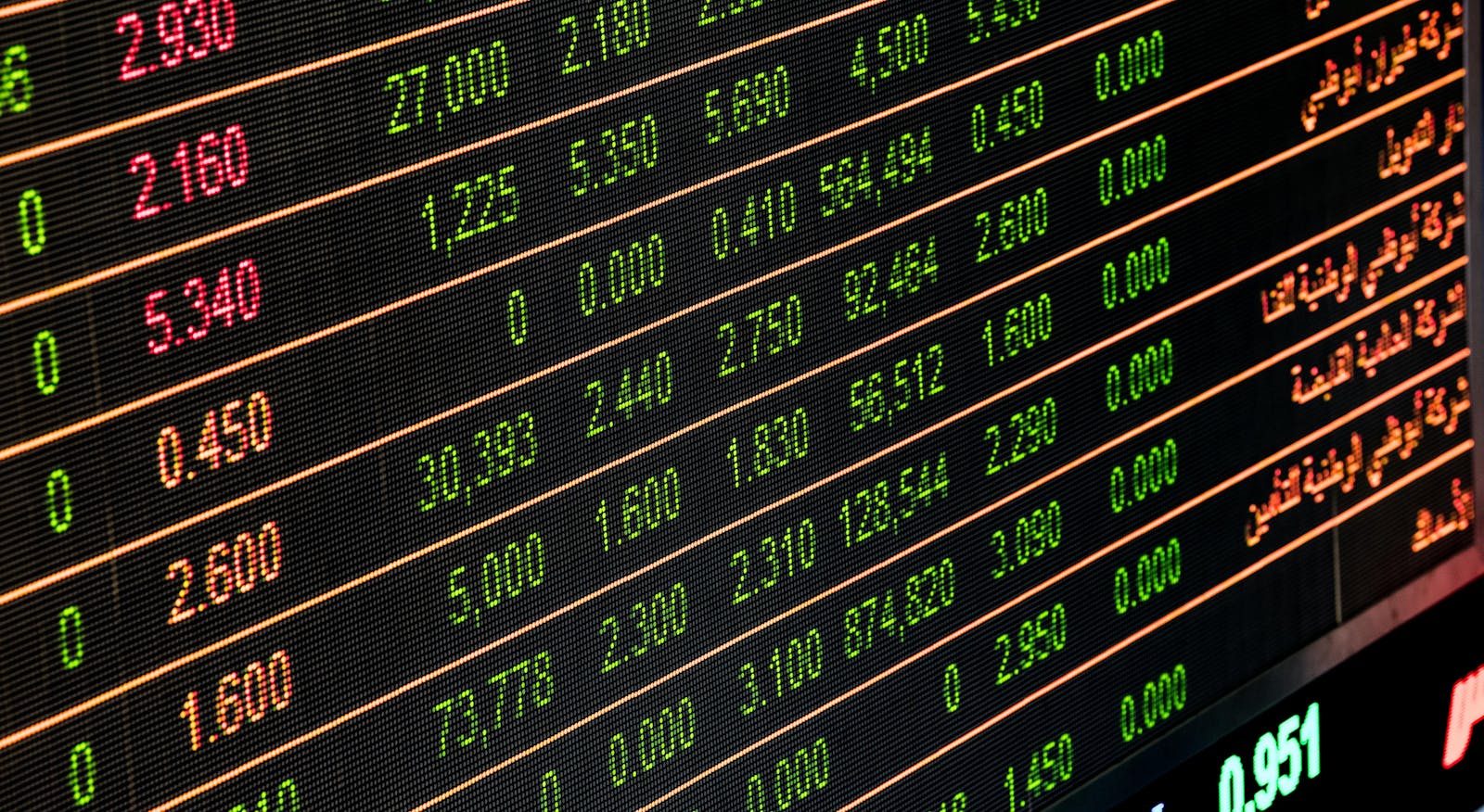
A few hundred miles south, the markets did the small nervous shimmy markets do when nobody knows what’s about to happen. Saudi Arabia’s bourse, opening after a five-session Eid break, climbed 0.5%. Qatar slipped 0.4%. Oil had dropped more than 2% on Friday — its worst week since early April — because traders are waiting for Trump to announce whether a tentative US–Israel–Iran ceasefire extension, plus a possible lifting of Strait of Hormuz shipping restrictions, is actually happening. He has not announced. Egypt, Bahrain and Kuwait were closed for Eid and so were spared the suspense.
In Tehran, Iran’s lead negotiator Mohammad Baqer Qalibaf — freshly sworn in (again) as Parliament speaker — used the swearing-in to say there would be no deal with the United States without “tangible results”. “There is no trust in the enemy’s words and promises,” he added. This is the kind of sentence you produce when the words and promises so far have not been particularly tangible.
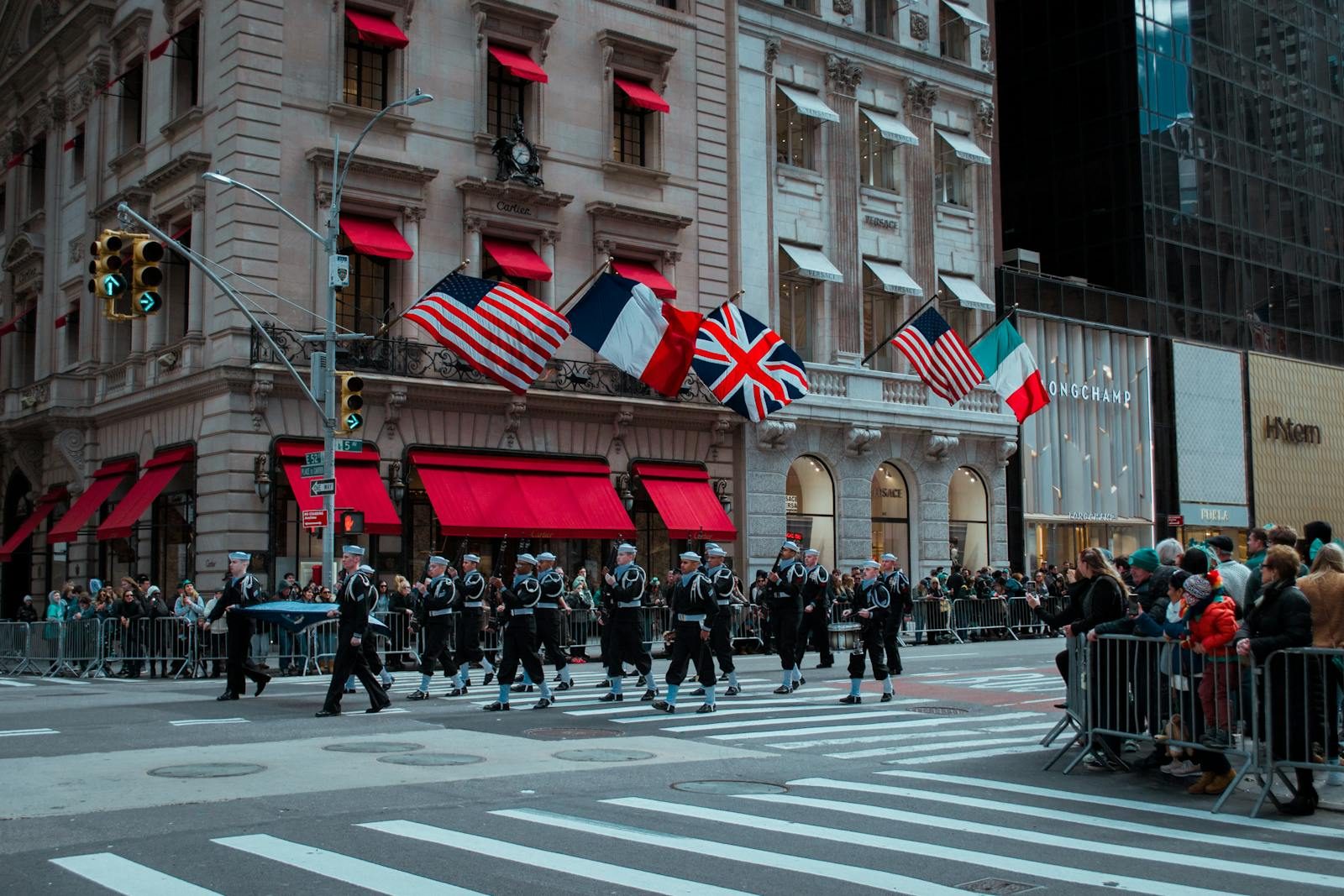
And in New York, the Israel Day Parade went up Fifth Avenue on Sunday, as it has every year since 1964. The new mayor, Zohran Mamdani, did not march. Parade organizers believe he is the first mayor in the parade’s 60-plus years to skip it. The police commissioner, Jessica Tisch, marched in his place and called it “one of the most joyful days of the year.” This year’s theme was “Proud Americans, Proud Zionists.” Pew now has 60% of Americans, and 80% of Democrats, holding an unfavorable view of Israel. The parade had its tightest security ever.
Turn the kaleidoscope and the shapes look oddly familiar: a flag going back up on a hill it once came down from, a deal everyone is waiting to be told exists, a negotiator asking whether any of this is real, a parade missing its mayor. None of it is new. It’s just the same pieces, rearranged for a Sunday.